

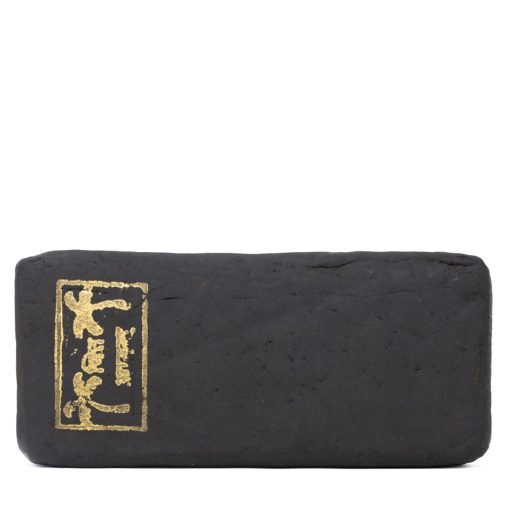
Palm Tree Hash (Bulk)
Price range: £243.41 through £788.65
With our Bulk Menu, get huge discounts when you buy big!
Palm Tree Hash is a domestic hash inspired by the delectable hash from Afghanistan. Processed from BC-grown indica flowers, this particular hash masterfully imitates the exotic imported Afghani hashes without hurting your pockets.
Palm Tree Hash: A Complete Educational Guide
Introduction to Palm Tree Hash
Palm Tree Hash is a term commonly used to describe a type of traditional cannabis hashish that is identified by a palm tree symbol stamped on its surface. This marking is often associated with hash produced in North Africa, particularly Morocco, where hash-making has a long and well-established history.
Like other branded or stamped hash varieties, Palm Tree Hash is not a single standardized product but rather a category of hash that shares similar visual identifiers, production methods, and general characteristics. It is often discussed in relation to traditional hash production techniques and classic resin profiles.
This article is intended strictly for educational and informational purposes, providing an in-depth look at Palm Tree Hash, including its origins, composition, production methods, terpene profile, cultural relevance, and key considerations.
What Is Palm Tree Hash?
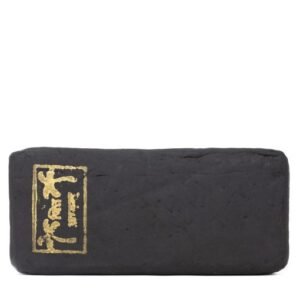
Palm Tree Hash is a compressed cannabis resin (hashish) created by collecting and pressing trichomes—the resin glands found on cannabis plants. The defining feature of this type of hash is the palm tree stamp, which is used as a visual identifier rather than an official brand.
Key Characteristics
-
Form: Pressed slabs, blocks, or plates
-
Color: Light brown to dark brown exterior
-
Texture: Soft, pliable, or slightly firm depending on age and quality
-
Aroma: Earthy, herbal, sometimes slightly sweet
The palm tree symbol is often associated with Moroccan hash traditions, where palm trees are a natural part of the regional landscape and cultural imagery.
Origins and Background
Moroccan Hash Tradition
Palm Tree Hash is most commonly linked to Morocco, one of the world’s most well-known regions for traditional hash production. The Rif Mountains, in particular, have been a centre of cannabis cultivation for generations.
In these regions, hash production has historically been:
-
Small-scale and craft-based
-
Passed down through families
-
Focused on manual techniques
The palm tree symbol is believed to reflect both regional identity and product recognition within informal markets.
Symbolism of the Palm Tree
The palm tree has cultural and environmental significance in many North African regions. Its use as a stamp on hash may represent:
-
Geographic origin
-
Natural heritage
-
Product distinction
It is important to note that this symbol does not indicate a regulated brand or uniform standard.
How Palm Tree Hash Is Made
Dry Sieving Method
The most common method used in producing Palm Tree Hash is dry sieving, a traditional and widely used technique.
Educational Overview
-
Cannabis plants are harvested and dried
-
The dried material is placed over fine mesh screens
-
Gentle movement separates trichomes from plant material
-
The collected resin powder (kief) is gathered
This process allows for the efficient collection of resin while minimizing unwanted plant matter.
Pressing and Shaping
After the resin is collected:
-
It is compressed into solid forms
-
Sometimes lightly heated to improve cohesion
-
Shaped into blocks or slabs
-
Stamped with a palm tree symbol
This results in the final product commonly recognized as Palm Tree Hash.
Composition of Palm Tree Hash
Palm Tree Hash contains several naturally occurring components:
Cannabinoids
-
Found in cannabis resin
-
Levels vary depending on plant genetics
Terpenes
-
Responsible for aroma and flavor
-
Contribute to the product’s identity
Plant Waxes and Lipids
-
Provide structure and texture
The exact composition can vary significantly depending on production methods and source material.
Terpene Profile
The terpene profile of Palm Tree Hash is typically consistent with traditional Moroccan hash.
Common Terpenes
Myrcene
-
Earthy and musky
-
Dominant in many traditional hash varieties
Caryophyllene
-
Spicy and peppery
-
Adds depth to the aroma
Humulene
-
Woody and herbal
-
Common in classic cannabis profiles
Pinene
-
Fresh and pine-like
-
Adds a subtle sharpness
Together, these terpenes create a rich, earthy, slightly spicy, and herbal scent profile.
Appearance and Texture
Exterior
-
Darker brown surface
-
May be smooth or slightly textured
-
Often stamped with a palm tree
Interior
-
Lighter brown or golden
-
Softer and more resinous
Texture Variations
-
Soft and pliable: Often fresher or higher in resin
-
Firm and crumbly: May indicate age or storage conditions
Aroma and Flavor Profile
Aroma
Palm Tree Hash is typically described as:
-
Earthy
-
Herbal
-
Slightly sweet
Flavor
The flavor profile may include:
-
Deep earthiness
-
Mild spice
-
Subtle sweetness
Compared to modern concentrates, it is often more natural and less intensely flavored.
Effects and General Experience
Important: Effects vary depending on composition and individual differences.
Palm Tree Hash is often associated with:
Physical Effects
-
Relaxation
-
Body calmness
-
Mild heaviness
Mental Effects
-
Calm mood
-
Mild euphoria
-
Reduced stress perception
Traditional hash types are often described as providing a balanced and grounding experience.
Differences from Other Hash Types
Compared to Modern Concentrates
-
Less processed
-
Retains traditional characteristics
-
Lower emphasis on high potency
Compared to Other Branded Hash
-
Similar production methods
-
Differences mainly in symbolism and batch quality
Compared to Kief
-
Kief is loose resin powder
-
Hash is compressed into solid form
Storage and Preservation
Proper storage is essential for maintaining quality.
Best Practices
-
Store in a cool, dark place
-
Use airtight containers
-
Avoid exposure to heat and light
Potential Issues
Improper storage can lead to:
-
Loss of aroma
-
Drying or hardening
-
Degradation of compounds
Legal Considerations
United Kingdom
Cannabis-related products are regulated under strict laws. It is important to:
-
Understand legal restrictions
-
Follow current regulations
-
Stay informed through official sources
Global Perspective
Legal status varies widely:
-
Some countries allow regulated access
-
Others enforce strict prohibition
Always verify local laws before engaging with cannabis-related products.
Cultural Significance
Palm Tree Hash reflects a long-standing tradition of hash production and trade. It represents:
-
Regional craftsmanship
-
Agricultural heritage
-
Cultural identity
Hash has historically been part of social and traditional practices in many regions.
Sustainability and Industry Trends
There is increasing attention on:
-
Sustainable cultivation practices
-
Environmental impact reduction
-
Improving production consistency
Some producers aim to maintain traditional methods while adopting modern standards.
Common Misconceptions
“It Is a Standardized Brand”
Palm Tree Hash is not a regulated brand but a category identified by a symbol.
“All Palm Tree Hash Is the Same”
Quality and composition vary widely.
“Traditional Hash Is Inferior”
Traditional hash has unique characteristics and cultural value.
Educational Importance
Understanding Palm Tree Hash helps:
-
Provide historical and cultural context
-
Improve awareness of cannabis products
-
Encourage informed discussions
Educational content supports clarity and responsible awareness.
Role in the Modern Market
Palm Tree Hash remains relevant due to:
-
Its traditional roots
-
Recognizable identity
-
Classic terpene profile
It continues to be part of the broader conversation around cannabis concentrates.
Potential Risks and Considerations
Variability
-
Different batches may differ in composition
Individual Differences
-
Effects vary between individuals
Awareness
-
Understanding the product is important
This article is intended for educational purposes only.
Future Outlook
The future of traditional hash products like Palm Tree Hash may involve:
-
Improved quality control
-
Increased research
-
Continued cultural significance
As awareness grows, traditional products remain important.
Conclusion
Palm Tree Hash is a traditional cannabis concentrate that reflects centuries of craftsmanship and cultural heritage. Recognized by its distinctive palm tree stamp, it is commonly associated with Moroccan hash production and classic resin extraction methods.
From its earthy terpene profile to its historical significance, Palm Tree Hash represents a connection between past and present. While modern cannabis products continue to evolve, traditional hash remains an important part of the broader landscape.
This guide has provided a detailed, educational overview to help readers better understand Palm Tree Hash, its characteristics, and its place within cannabis culture.
| Quantity | 1/4LB, 1/2LB, 1LB |
|---|
1 review for Palm Tree Hash (Bulk)
Add a review
Related products
BULK HASH
BULK HASH
BULK HASH
BULK HASH
BULK HASH
BULK HASH
BULK HASH
BULK HASH
Steveee –
Exelent stuff at a nice price ,cant go wrong , taiste good and gets you high its a win win !