

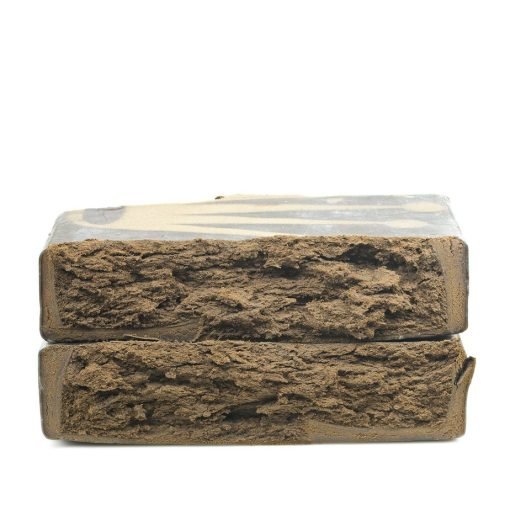
Rolex Hash (Bulk)
Price range: £216.36 through £701.02
:Rolex Hash (Bulk)With our Bulk Menu, get huge discounts when you buy big!
Another fine domestic hash, Rolex Hash is processed using AAA+ British Columbian grown weed. Users may notice that many domestically produced hashes can be different than traditional hash. This is because most domestic hash is pressed with heat and immense pressure to create a final product that is malleable, easy to use and longer lasting. Hash artists begin their process with freshly harvested and frozen indica flowers, from which frozen THC trichomes are collected and
seperated from other un-wanted plant matter before being pressed and stamped with a seal of quality assurance. From there, these bricks of pure THC are cured in cool, optimal conditions which allow for the development of more robust, earthy flavours and a smoother, delicate smoking experience. The terpene profile of Rolex Hash is similar to many notorious West Coast strains such as BC Kush, Master Kush and Rockstar. Hash connoisseurs will note the peculiar abundance of Caryophyllene terpenes, which lend a spicy kick, with undertones of floral notes
Rolex Hash (Bulk): Educational Guide to Hashish, Composition, Risks, and Legal Considerations
Introduction
Hashish, commonly called “hash,” is one of the oldest cannabis concentrates known to humanity. Over centuries, different cultures have developed unique preparation techniques, resulting in diverse textures, colors, and potency levels. In modern informal markets, hash products sometimes receive brand-like nicknames such as “Rolex Hash,” typically used to imply premium quality rather than any connection to an actual luxury brand.
Understanding hashish from an educational standpoint is important for public health, policy awareness, and harm-reduction education. This guide explores how hash is made, its chemical composition, potential effects on the body, and legal considerations in different regions of the world.
What Is Hashish?
Hashish is a cannabis concentrate produced by collecting and compressing the resin glands (trichomes) from the cannabis plant. These trichomes contain cannabinoids such as THC (tetrahydrocannabinol) and CBD (cannabidiol), along with aromatic terpenes responsible for smell and flavor.
Compared with raw cannabis flower, hashish is typically more potent because it concentrates the active compounds.
Common Characteristics
-
Color: Light brown to dark black
-
Texture: Soft, crumbly, or sticky depending on production method
-
Aroma: Earthy, spicy, or herbal
-
Potency: Often higher THC than natural cannabis flower
Historical Background of Hashish
Hashish has been used for centuries across Asia, the Middle East, and North Africa. Historical records show its presence in traditional medicine, religious rituals, and recreational contexts.
Regions historically associated with hash production include:
-
Morocco
-
Afghanistan
-
Lebanon
-
India
Each region developed unique preparation techniques, influencing texture and potency.
Why Some Products Are Called “Rolex Hash”
The term “Rolex Hash” is slang. It does not indicate a verified brand or manufacturer. Instead, such names are often used informally to suggest:
-
High potency
-
Premium appearance
-
Imported or exotic origin
-
Perceived superior quality
From an educational perspective, it is important to note that slang names do not guarantee purity, safety, or consistent chemical composition.
How Hashish Is Produced
There are several traditional and modern methods used to create hashish.
1. Dry Sifting
This traditional technique involves:
-
Drying cannabis plants
-
Shaking or rubbing them over fine screens
-
Collecting resin powder (kief)
-
Compressing into blocks
Dry-sift hash is common in North Africa.
2. Hand-Rolled Hash
In some regions, fresh plants are rubbed between hands to collect resin, forming sticky balls. This method is traditional in parts of South Asia.
3. Ice Water Extraction
Modern methods use ice water to separate trichomes from plant material. The result is often called “bubble hash.”
4. Mechanical Pressing
Collected resin is compressed with heat and pressure into blocks or slabs.
Chemical Composition
Hashish contains multiple compounds, including:
Cannabinoids
-
THC (psychoactive compound)
-
CBD (non-intoxicating compound)
-
CBN (degradation product of THC)
Terpenes
Terpenes contribute to aroma and potential therapeutic properties.
Examples include:
-
Myrcene
-
Limonene
-
Caryophyllene
The exact composition varies widely depending on plant genetics and production methods.
Effects on the Human Body
Hashish affects the body primarily through interaction with the endocannabinoid system.
Short-Term Effects
Possible short-term effects include:
-
Relaxation
-
Altered perception
-
Euphoria
-
Increased appetite
-
Impaired coordination
-
Memory difficulties
Effects vary depending on potency, dosage, and individual tolerance.
Long-Term Risks
Long-term or heavy use may be associated with:
-
Dependence
-
Cognitive impairment
-
Mental health challenges
-
Respiratory irritation (if smoked)
Research is ongoing, and outcomes vary significantly among individuals.
Health Considerations and Harm Reduction
Educational discussions often focus on reducing risks associated with cannabis use.
Key considerations:
-
Avoid mixing with alcohol or other substances
-
Be aware of potency differences
-
Consider mental health history
-
Avoid use during pregnancy
-
Understand potential dependency risks
Public health organizations emphasize informed decision-making rather than stigma.::Rolex Hash (Bulk)::Rolex Hash (Bulk)
Differences Between Hashish and Other Cannabis Concentrates
Modern cannabis markets include many concentrate types.
| Product Type | Source | Potency |
|---|---|---|
| Hashish | Compressed resin | Moderate to high |
| Kief | Loose trichomes | Moderate |
| Wax/Shatter | Solvent extracts | High |
| Oil | Extracted cannabinoids | Very high |
Hashish is considered more traditional compared to chemically extracted concentrates.:::Rolex Hash (Bulk)
Legal Status Around the World
Cannabis laws vary significantly across countries.
Examples:
-
Some countries allow medical use
-
Others permit recreational use
-
Many maintain strict prohibition
For example:
-
Netherlands has regulated tolerance policies in certain contexts.
-
Cameroon maintains strict legal prohibitions on cannabis.
Anyone researching cannabis should always consult current local laws.:::Rolex Hash (Bulk)
Misconceptions About “Bulk” Hash
Educationally, discussions about bulk quantities often arise in public policy and law enforcement contexts.:::Rolex Hash (Bulk)
Important points:
-
Larger quantities may carry higher legal penalties
-
Storage conditions affect chemical stability
-
Potency may degrade over time
-
Contamination risks can increase without regulation
From a public health perspective, unregulated products may contain pesticides, solvents, or adulterants.
Quality and Safety Concerns
Because hash is often produced in unregulated environments, quality varies widely.
Potential safety concerns include:::Rolex Hash (Bulk)
-
Mold contamination
-
Heavy metals
-
Pesticide residues
-
Synthetic additives
Laboratory testing is the only reliable way to determine purity and potency.
Social and Economic Context
Cannabis cultivation and hash production play roles in some regional economies, particularly in rural agricultural communities.
However, illegal markets also create challenges::::Rolex Hash (Bulk)
-
Law enforcement costs
-
Organized crime involvement
-
Public health risks
-
Lack of consumer protection
Policy debates continue worldwide regarding regulation versus prohibition.
Educational Perspective on Cannabis Research
Scientific research into cannabinoids is expanding rapidly.:::Rolex Hash (Bulk)
Areas of study include:
-
Chronic pain management
-
Neurological disorders
-
Epilepsy treatment
-
Mental health impacts
-
Addiction mechanisms
Evidence varies, and medical use should always involve qualified healthcare professionals.
Responsible Information Consumption
When encountering slang names like “Rolex Hash,” readers should:
-
Verify sources of information
-
Understand legal implications
-
Avoid assumptions about quality
-
Recognize marketing exaggerations
Education helps individuals make informed choices and supports public health awareness.
| Quantity | 1/4LB, 1/2LB, 1LB |
|---|
2 reviews for Rolex Hash (Bulk)
Add a review
Related products
BULK HASH
BULK HASH
BULK HASH
BULK HASH

BULK HASH
BULK HASH
BULK HASH
BULK HASH
OldFart007 –
Excellent Value…Great Hash!!
Have to give credit to the domestic hash makers, this is great hash at a great price especially when bought in bulk. Just got my second order, will definitely order again.
Stang1 –
Très bon hash
J’ai adorer se hash ,bon goût et buzz très bien et il es doux juste orrect .