

Amsterdam Skull Hash (Bulk) — Comprehensive Educational Overview
Amsterdam Skull Hash (Bulk) is a descriptive term used within cannabis industry and cultural discussions to refer to a resin concentrate associated with European cannabis heritage, distinctive branding aesthetics, and concentrated botanical resin production methods. The name typically combines a geographic reference (“Amsterdam”), symbolic branding (“Skull”), and product format (“Hash”), while the “bulk” designation refers to larger quantities prepared for distribution, storage, research evaluation, or manufacturing inputs rather than individual consumer packaging.
In educational contexts, products with names like Amsterdam Skull Hash are examined through the lens of botanical science, terpene chemistry, historical development of hashish production, supply chain dynamics, and cultural symbolism rather than consumption or promotion. This guide explores the origins, characteristics, production techniques, chemical composition, quality considerations, storage practices, and broader market relevance of Amsterdam Skull–style hash.
Historical Context: Amsterdam and Cannabis Culture
Amsterdam has played a significant role in modern cannabis culture, particularly from the late 20th century onward. The Netherlands became internationally recognized for its tolerant approach to cannabis retail environments, which contributed to the city’s reputation as a hub for cannabis innovation, breeding experimentation, and concentrate development.
Although hashish itself originated centuries earlier in regions such as Central Asia and North Africa, European markets — including those connected to Amsterdam — became important distribution points where various styles were traded, evaluated, and rebranded. Names like “Amsterdam Skull Hash” often reflect branding traditions rather than precise geographic origin, combining cultural imagery with product identity.
Understanding Hashish
Hashish is a concentrated botanical resin derived from the trichomes of cannabis plants. Trichomes are microscopic glandular structures that contain cannabinoids, terpenes, flavonoids, and waxes responsible for aroma, texture, and chemical properties.
The basic process involves:
-
Separating trichomes from plant material
-
Collecting the resin powder
-
Compressing it into a cohesive mass
Hash is considered one of the oldest cannabis concentrates in human history, with documented use spanning centuries across Asia, the Middle East, and North Africa.
Production Techniques Associated With Hash
Several methods can produce hash, each influencing final characteristics:
Dry Sift Method
Dried plant material is passed over mesh screens to isolate resin glands, which are then pressed into blocks or shapes.
Hand-Rubbed Resin
Fresh plants are gently rubbed by hand to collect sticky resin, later shaped into pieces.
Ice Water Separation
Cold water agitation makes trichomes brittle, allowing mechanical separation through filtration.
Mechanical Pressing
Collected resin powder is compressed with pressure and mild heat to form dense structures.
The technique used affects color, texture, terpene retention, and overall consistency.
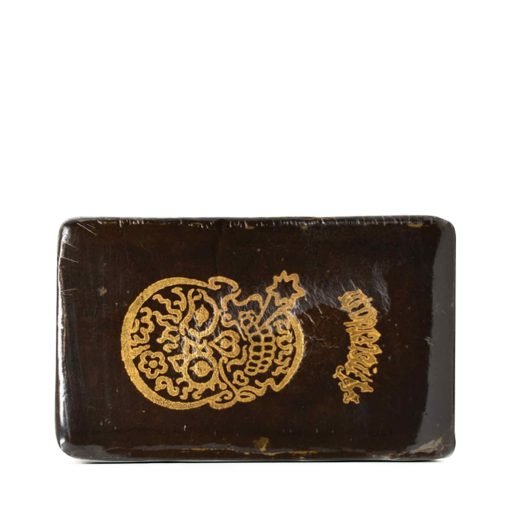
Symbolism and Branding: The Skull Motif
The skull imagery often associated with products like Amsterdam Skull Hash reflects broader cultural symbolism rather than botanical meaning. Skulls have historically represented:
-
Strength and intensity
-
Counterculture aesthetics
-
Artistic expression
-
Edgy or alternative branding
In cannabis markets, distinctive shapes or stamped logos may serve as visual identifiers for product batches or brand recognition rather than functional differences in composition.
Botanical Origins and Genetic Influence
The characteristics of any hash product depend largely on the cannabis cultivars used to produce the resin. These plants may include:
-
Indica-dominant varieties
-
Hybrid cultivars
-
Regionally adapted strains
-
Terpene-focused breeding lines
Genetics influence trichome density, cannabinoid production, and aromatic profile, which ultimately determine the identity of the final concentrate.
Sensory Characteristics of Amsterdam Skull Hash
Educational descriptions typically focus on observable attributes rather than use.
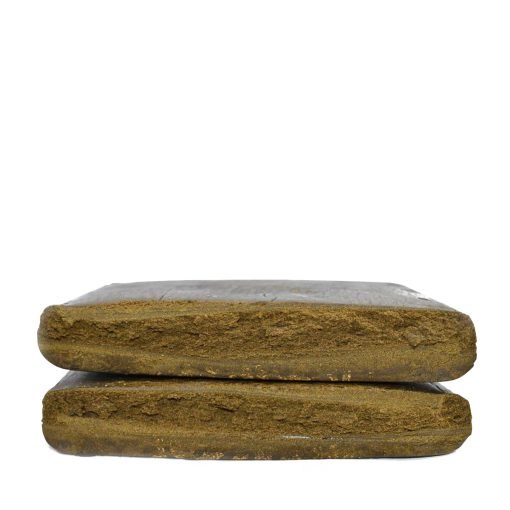
Appearance
-
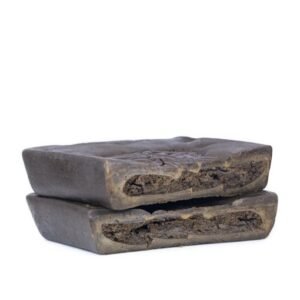
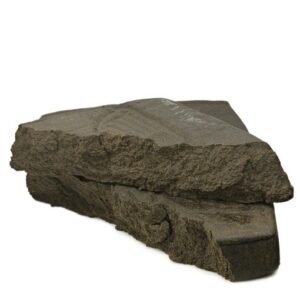
Dark brown to deep amber tones
-
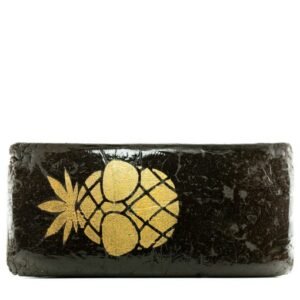
Possible stamped or molded shapes
-
Slight resin sheen indicating oil content
-
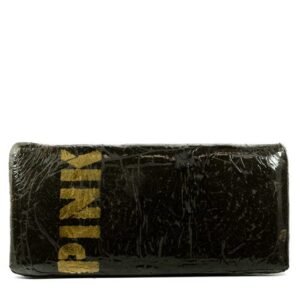
Dense, uniform structure in bulk format
Texture
-
Pliable when warm
-
Firmer at cooler temperatures
-
May crumble or stretch depending on resin composition
-
Softens with handling due to natural oils
Aroma Profile
-
Earthy botanical base notes
-
Sweet or spicy undertones
-
Woody or musky complexity
-
Subtle floral or citrus hints depending on cultivar
-
Occasionally chocolate or coffee-like depth
Aromatic variation depends on terpene composition and preservation during processing.
Terpene Science
Terpenes are aromatic compounds naturally produced by cannabis plants. They play a major role in the sensory identity of hash.
Common terpenes that may appear in such products include:
-
Myrcene — earthy and musky
-
Caryophyllene — peppery spice
-
Humulene — woody herbal notes
-
Limonene — citrus brightness
-
Pinene — fresh pine aroma
-
Linalool — floral softness
The interaction of these compounds creates complex aromatic experiences that influence naming conventions.
Chemical Composition Overview
Hash contains concentrated plant compounds compared with raw cannabis flower.
Key components include:
-
Cannabinoids
-
Terpenes
-
Flavonoids
-
Lipids and plant waxes
Laboratory analysis may evaluate:
-
Cannabinoid concentration
-
Terpene spectrum
-
Moisture levels
-
Microbial presence
-
Contaminant screening
Testing supports quality control, safety standards, and regulatory compliance.
Quality Factors
Several variables influence hash quality:
Genetics
Cultivar selection determines resin production and terpene profile.
Cultivation Conditions
Light exposure, soil health, nutrients, and climate affect plant chemistry.
Harvest Timing
Resin maturity influences cannabinoid ratios and aromatic intensity.
Processing Precision
Careful separation reduces contamination and improves purity.
Pressing Technique
Heat and pressure affect density and texture.
Storage Environment
Exposure to oxygen, moisture, heat, or light can degrade compounds over time.
Understanding these factors is essential for researchers and industry professionals.
Bulk Format and Supply Chain Context
Bulk hash products are discussed in commercial and research environments for several purposes:
-
Wholesale distribution
-
Laboratory testing
-
Manufacturing inputs
-
Market trend evaluation
-
Educational demonstrations
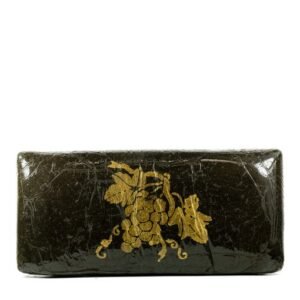
Bulk packaging may involve vacuum sealing or protective wrapping designed to maintain freshness and structural integrity.
Historical Evolution of Hash Markets in Europe
European cannabis markets evolved through international trade networks connecting producing regions with consumer demand. Amsterdam’s prominence emerged due to:
-
Tourism
-
Liberal policy frameworks
-
Cannabis breeding innovation
-
Retail coffee shop culture
-
International trade connections
Branding terms referencing Amsterdam often reflect market reputation rather than production origin.
Comparison With Other Concentrates
Hash differs from newer cannabis concentrates primarily in extraction method and historical background.
| Concentrate Type | Extraction Method | Historical Context |
|---|---|---|
| Hash | Mechanical separation | Ancient |
| Rosin | Heat and pressure | Modern |
| Wax | Solvent extraction | Modern |
| Shatter | Solvent extraction | Modern |
| Live Resin | Fresh plant extraction | Modern |
Traditional hash remains notable for minimal processing compared with solvent-based extracts.::Amsterdam Skull Hash (Bulk)
Storage and Preservation
Maintaining resin quality requires stable environmental conditions.
Educational recommendations include:
-
Cool temperatures
-
Airtight containers
-
Low humidity
-
Protection from direct sunlight
-
Minimal oxygen exposure
Oxidation over time may darken color and alter aroma. Temperature fluctuations can change texture.::Amsterdam Skull Hash (Bulk)
Sensory Evaluation Methods
Professionals sometimes evaluate hash using structured sensory analysis similar to food science methodologies.
Evaluation categories may include:
-
Visual uniformity
-
Aroma intensity
-
Texture elasticity
-
Resin density
-
Terpene persistence
Standardized evaluation helps classify quality levels and production consistency.::Amsterdam Skull Hash (Bulk)
Industry Applications
Bulk hash products appear across multiple sectors:
-
Cannabis agriculture
-
Hemp processing industries
-
Botanical research programs
-
Chemical laboratories
-
Commercial supply chains
Understanding resin concentrates contributes to broader knowledge of plant chemistry and agricultural economics.::Amsterdam Skull Hash (Bulk)::Amsterdam Skull Hash (Bulk)
Sustainability Considerations
Environmental responsibility is increasingly important in cultivation and processing industries.
Key sustainability topics include:
-
Water efficiency
-
Energy consumption
-
Organic cultivation methods
-
Soil regeneration
-
Waste reduction
Sustainable approaches support long-term industry viability.:::Amsterdam Skull Hash (Bulk)::Amsterdam Skull Hash (Bulk)
Regulatory Awareness
Legal frameworks surrounding cannabis vary significantly worldwide. Educational materials typically emphasize:
-
Compliance with local laws
-
Licensing requirements
-
Age restrictions where applicable
-
Distinction between hemp-derived and cannabis-derived materials
Regulatory understanding is essential for industry participants and researchers.
Cultural and Artistic Influence
The combination of Amsterdam branding and skull imagery highlights the intersection of cannabis culture with art, symbolism, and counterculture aesthetics. Packaging design and molded shapes often serve as visual identifiers rather than indicators of chemical differences.
Market Trends and Future Developments
The cannabis concentrate sector continues evolving, with trends influencing bulk hash including:
-
Precision breeding for terpene expression
-
Improved mechanical separation technology
-
Advanced curing and storage methods
-
Expansion of hemp-derived concentrate markets
-
Consumer interest in traditional products
Scientific understanding of resin chemistry continues to expand alongside industry innovation.::Amsterdam Skull Hash (Bulk)::Amsterdam Skull Hash (Bulk)
Educational Importance
Studying products like Amsterdam Skull Hash provides insight into multiple disciplines:
-
Botany and plant physiology
-
Organic chemistry and terpene science
-
Cultural anthropology
-
Agricultural economics
-
Supply chain logistics
It demonstrates how branding, culture, and plant science intersect within global markets.
Conclusion
Amsterdam Skull Hash (Bulk) represents a modern branded category within the long-standing tradition of cannabis resin concentrates. Its identity is shaped by terpene composition, cultivation methods, processing techniques, and cultural symbolism rather than strict botanical definitions. From historical roots to contemporary industry applications, examining hash production offers valuable perspectives on plant science, chemistry, and global agricultural markets.
Bulk formats play an important role in research, distribution, and commercial analysis, highlighting the continuing relevance of traditional concentrates within modern cannabis discussions.
Product Tags
Amsterdam Skull Hash, Amsterdam Skull Hash bulk, bulk hashish, premium hash, skull hash, cannabis resin concentrate, traditional hash, compressed hash blocks, wholesale hash, terpene rich hash, artisanal hash, resin hash, soft hash texture, potent hash resin, cannabis concentrates bulk, hash slabs, hash bricks, botanical resin, terpene profile hash, educational cannabis products, hemp concentrate research, premium cannabis resin, aromatic hash varieties, bulk concentrates, classic hash, European hash
:::Amsterdam Skull Hash (Bulk)::Amsterdam Skull Hash (Bulk)::Amsterdam Skull Hash (Bulk)::Amsterdam Skull Hash (Bulk)

AlexElliott71 –
Tad bit hard
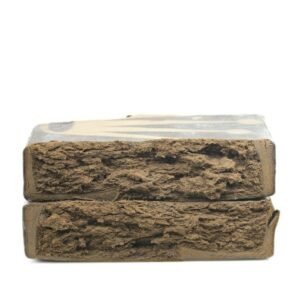
This hash wasn’t my favorite, but it gets the job done. It’s very hard to work with and pretty harsh to smoke.