

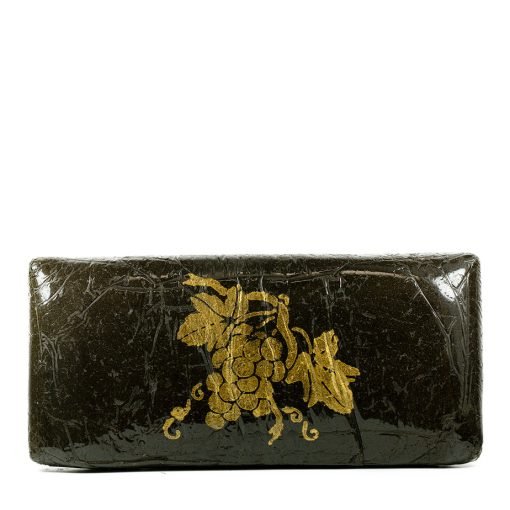
Grape Kush Hash (Bulk)
Price range: £216.36 through £701.02
With our Bulk Menu, get huge discounts when you buy big!
Grape Kush Hash (Bulk) is a premium, domestically crafted hash inspired by traditional Lebanese techniques. Made from Grape Kush flower, this aromatic hash delivers fruity, uplifting effects—now available in 1/4 LB, 1/2 LB, and 1 LB options.
Grape Kush Hash (Bulk)
Experience a taste of the Middle East with a Canadian twist. Grape Kush Hash is a high-quality domestic hash crafted in British Columbia using time-honoured Lebanese-inspired techniques. This artisanal concentrate begins with premium Grape Kush flower—chosen for its sweet, berry-forward aroma and balanced effects—and is processed through a traditional dry-aging method that dates back thousands of years.
Crafted from Cultivar to Cure
BC growers specifically cultivate Grape Kush for its rich terpene profile and reliably euphoric high. The hash is made by carefully collecting the plant’s resin, which is then slow-cured and pressed using old-world techniques. The result is a soft, pliable hash with deep brown hues and an unmistakable aroma of ripe grapes, sweet berries, and earthy undertones.
Uplifting, Relaxing, and Perfect for Any Time of Day
While many hashes lean into sedation, Grape Kush Hash offers a more dynamic experience—gently uplifting the mind while relaxing the body. Whether you’re looking to enhance creativity, unwind after work, or simply enjoy a smooth smoke with complex flavour, this hash delivers a well-rounded high suitable for any occasion.
Now Available in Bulk Quantities:
-
1/4 LB
-
1/2 LB
-
1 LB
Ideal for connoisseurs, home extractors, or anyone seeking long-term value, Grape Kush Hash (Bulk) brings traditional craftsmanship and BC-grown quality to your stash in larger volumes.
Highlights:
-
Inspired by traditional Lebanese hashish
-
Made from Grape Kush flower grown in BC
-
Sweet, fruity, and earthy flavour profile
-
Balanced effects: uplifting and relaxing
-
Available in 1/4 LB, 1/2 LB, and 1 LB sizes
Enjoy a smooth, flavourful hash experience made for those who value both tradition and quality—now in bulk.
Grape Kush Hash (Bulk) — Educational Overview
Grape Kush Hash (Bulk) is a term often used to describe a concentrated cannabis resin product associated with the aromatic profile of grape-forward Kush varieties. In educational contexts, this type of hash is discussed in relation to traditional resin production methods, terpene development, botanical origins, and the historical evolution of cannabis concentrates. Bulk formats typically refer to larger quantities intended for research, analysis, or commercial supply chain discussions rather than individual consumer packaging.
This guide explores the origins, characteristics, processing methods, storage considerations, and broader industry relevance of Grape Kush–style hash from an informational perspective.
Botanical Background and Kush Lineage
“Kush” is a classification historically linked to cannabis genetics originating from the Hindu Kush mountain region, spanning parts of Afghanistan, Pakistan, and surrounding areas. These plants adapted to harsh climates, developing dense resin production as a protective mechanism. Over time, cultivators selectively bred Kush varieties for distinct terpene profiles, potency levels, and structural traits.
The “Grape” descriptor usually refers to aromatic compounds that evoke sweet berry or grape-like scents. These aromas are commonly associated with terpenes such as:
-
Myrcene – earthy, fruity undertones
-
Limonene – citrus brightness
-
Caryophyllene – spicy depth
-
Linalool – floral sweetness
When resin from such plants is collected and processed into hash, the resulting concentrate can retain these aromatic characteristics, giving rise to names like Grape Kush Hash.
What Is Hashish?
Hashish (commonly called hash) is a cannabis concentrate produced by separating resin glands (trichomes) from plant material and compressing them into a cohesive mass. It is one of the oldest known cannabis preparations, with documented use spanning centuries across regions such as North Africa, the Middle East, and parts of Asia.
Traditional production techniques include:
-
Dry Sifting – Mechanical separation using screens
-
Hand Rolling – Resin collected through friction from fresh plants
-
Ice Water Extraction – Cold water agitation to isolate trichomes
-
Mechanical Pressing – Compression into blocks or slabs
Bulk hash typically undergoes further packaging for storage and transport stability.
Characteristics of Grape Kush Hash
Educational descriptions often focus on sensory attributes and physical properties rather than consumption guidance. Common features discussed include:
Appearance
-
Dark brown to golden exterior tones
-
Slightly oily sheen from resin content
-
Dense, malleable texture depending on processing method
Aroma Profile
-
Sweet grape or berry notes
-
Earthy Kush undertones
-
Subtle spice or herbal layers
Texture
-
Soft and pliable when warm
-
Firmer in cooler environments
-
May crumble or stretch depending on resin composition
Terpene Complexity
The terpene profile plays a central role in how different hash varieties are categorized and studied within botanical and chemical research contexts.
Bulk Format Considerations
Bulk quantities are relevant for:
-
Supply chain discussions
-
Laboratory analysis and testing
-
Industrial hemp and cannabis research
-
Market trend evaluation
-
Educational demonstrations
Bulk packaging may involve vacuum sealing, parchment wrapping, or compressed brick formats to preserve integrity and reduce oxidation.
Resin Quality Factors
Several variables influence the final characteristics of hash:
-
Cultivar Genetics
Different plant varieties produce varying trichome densities and terpene profiles. -
Harvest Timing
Resin maturity affects cannabinoid composition and texture. -
Processing Method
Traditional vs. modern extraction techniques produce different results. -
Storage Conditions
Temperature, light exposure, and humidity can alter consistency and aroma over time. -
Pressing Technique
Pressure and heat applied during formation influence density and pliability.
Understanding these variables is essential for researchers studying concentrate production methods.
Historical and Cultural Context
Hashish has a long cultural history, particularly in regions such as Morocco, Afghanistan, Lebanon, and India. Traditional artisans developed region-specific methods that continue to influence modern concentrate production.
Educational discussions around hash often explore:
-
Trade routes and cultural exchange
-
Agricultural adaptation in mountainous climates
-
Evolution from hand-crafted to mechanized processes
-
Socioeconomic roles in producing regions
Modern branded names like “Grape Kush” reflect contemporary marketing language layered onto centuries-old production traditions.::Grape Kush Hash (Bulk)
Chemical Composition Overview
Hash contains concentrated plant compounds compared to raw cannabis flower. These include:
-
Cannabinoids – Naturally occurring plant compounds
-
Terpenes – Aromatic molecules responsible for scent
-
Flavonoids – Pigments contributing to color and potential biological activity
-
Wax Lipids – Structural plant components
Laboratory testing is often used to evaluate:
-
Cannabinoid percentages
-
Terpene profiles
-
Contaminant screening
-
Moisture content
-
Microbial safety
Such analyses are important for regulatory compliance and scientific research.::Grape Kush Hash (Bulk)::Grape Kush Hash (Bulk)
Storage and Preservation
Proper storage is essential to maintain resin integrity. Educational recommendations commonly include:
-
Cool, stable temperatures
-
Low humidity environments
-
Airtight containers
-
Protection from direct light exposure
Over time, oxidation can darken color and alter aroma. Temperature fluctuations may also change texture.::Grape Kush Hash (Bulk):::Grape Kush Hash (Bulk)
Industry Relevance
Bulk hash products are discussed within broader cannabis and hemp industry conversations, including:
-
Market segmentation of concentrates
-
Consumer preference trends
-
Extraction technology advancements
-
Agricultural genetics development
-
Regulatory frameworks across jurisdictions
The naming of varieties like Grape Kush often reflects branding strategies rather than strict botanical classification, which is an important consideration in academic analysis.::Grape Kush Hash (Bulk)::Grape Kush Hash (Bulk)
Ethical and Legal Awareness
Legal frameworks surrounding cannabis products vary widely by region. Educational material typically emphasizes:
-
Compliance with local regulations
-
Age restrictions where applicable
-
Licensing requirements for production and distribution
-
Distinction between hemp-derived and cannabis-derived products
Understanding these factors is critical for businesses, researchers, and policymakers.
Comparison With Other Concentrates
Hash is sometimes compared with newer concentrate forms such as:
-
Rosin
-
Wax
-
Shatter
-
Live resin
Key differences involve:
-
Extraction methods
-
Solvent use vs. mechanical separation
-
Texture and consistency
-
Historical vs. modern origins
Hash remains notable for its traditional roots and relatively simple production techniques compared to more technologically intensive extracts.:Grape Kush Hash (Bulk)
Educational Applications
Bulk hash discussions may appear in:
-
Botanical science courses
-
Agricultural research programs
-
Chemical analysis training
-
Supply chain management studies
-
Cultural anthropology research
Understanding resin production provides insight into plant biology, chemistry, and agricultural economics.
Sustainability Considerations
Modern cultivation and extraction industries increasingly focus on sustainability topics, including:
-
Water usage efficiency
-
Energy consumption in processing
-
Organic cultivation practices
-
Waste reduction and recycling
-
Soil health management
These factors influence the long-term viability of cannabis agriculture and concentrate production.
Future Trends
Industry observers often track emerging developments such as:
-
Precision breeding for terpene expression
-
Advanced mechanical separation technologies
-
Improved storage solutions
-
Standardized quality grading systems
-
Expansion of hemp-derived concentrate markets
As research progresses, understanding of resin chemistry and plant genetics continues to evolve.
Conclusion
Grape Kush Hash (Bulk) represents a modern naming convention applied to a historically significant cannabis concentrate format. From botanical origins and terpene science to cultural heritage and industrial relevance, studying hash production offers valuable insights across multiple disciplines.
Educational exploration of such products focuses on plant chemistry, processing methods, market dynamics, and regulatory awareness rather than consumption or commercial promotion. As the cannabis and hemp sectors continue to develop globally, traditional concentrates like hash remain an important part of the conversation.:::Grape Kush Hash (Bulk)
Product Tags
Grape Kush Hash, Grape Kush Hash bulk, bulk hashish, premium hash, Kush hash, grape aroma hash, cannabis resin concentrate, traditional hash, compressed hash blocks, wholesale hash, terpene rich hash, artisanal hash, resin hash, soft hash texture, potent hash resin, cannabis concentrates bulk, hash slabs, hash bricks, botanical resin, terpene profile hash, educational cannabis products, hemp concentrate research, UK hemp market, premium cannabis resin, Kush concentrates, bulk concentrates, aromatic hash varieties:::Grape Kush Hash (Bulk)
| Quantity | 1/4LB, 1/2LB, 1LB |
|---|
Be the first to review “Grape Kush Hash (Bulk)”
Related products
BULK HASH

BULK HASH
BULK HASH
BULK HASH
BULK HASH

BULK HASH
BULK HASH
BULK HASH
Reviews
There are no reviews yet.