


Phoenix Hash

Price range: £216.36 through £701.02
With our Bulk Menu, get huge discounts when you buy big!
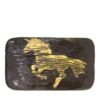
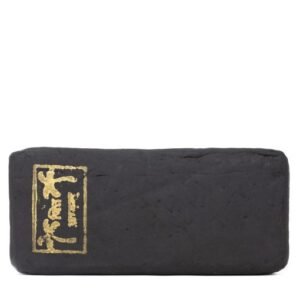
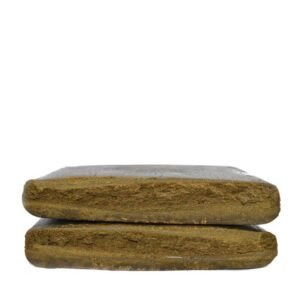
Feel like you’re rising from the ashes with Phoenix Hash! A pure domestic hash, every step from seed to hashish was taken right here in British Columbia. Phoenix Hash is processed from real OG Kush, giving off a classic flavour profile that consists of earthier tones, with notes of skunk and undertones of coffee.
Phoenix Hash (Bulk) — Educational Guide, Characteristics, Production & Market Insights
Introduction to Phoenix Hash
Phoenix Hash (Bulk) is a term often used within cannabis and hemp industry discussions to describe a resin-based concentrate known for its distinctive texture, aromatic richness, and visual appeal. While product names like “Phoenix” may vary by producer or region, they typically refer to hash derived from resin-rich plant material processed using traditional or modern extraction techniques.
This guide is provided strictly for educational and informational purposes to help readers understand terminology, production concepts, characteristics, and storage considerations associated with bulk hash products.
Understanding Hash and Resin Concentrates
Hash, short for hashish, is produced by separating resin glands (trichomes) from plant material and compressing them into blocks, slabs, or powder forms. These resin glands contain aromatic compounds (terpenes) and cannabinoids that contribute to the characteristics often discussed in industry descriptions.
Bulk hash refers to larger quantities intended for supply chain handling, distribution, or storage rather than individual consumer packaging.

What Makes Phoenix Hash Unique?
The name “Phoenix” is commonly associated with premium or distinctive batches known for:
-
Rich terpene profiles
-
Smooth, uniform consistency
-
Resin density
-
Appealing color and structure
Different manufacturers may apply the name to different genetic sources or processing methods, meaning characteristics can vary significantly between batches.
Appearance and Visual Characteristics
Educational descriptions of Phoenix Hash often highlight its visual qualities, which may include:
-
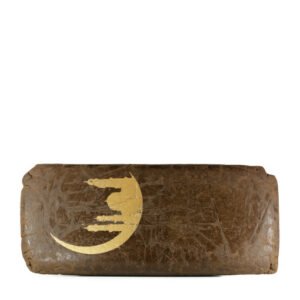
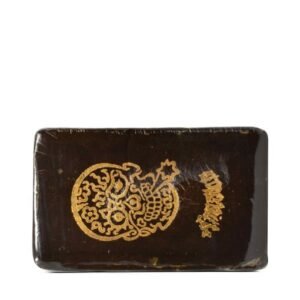
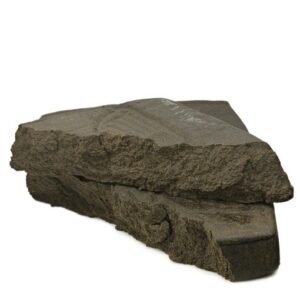
Medium to dark brown exterior tones
-
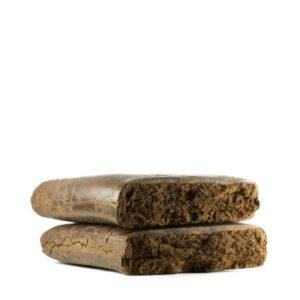
Golden or amber interior when broken apart
-
Slightly oily or resinous surface depending on freshness
-
Fine granular or layered structure inside compressed blocks
Color variations usually depend on:
-
Plant genetics
-
Resin maturity
-
Processing techniques
-
Storage conditions
High resin purity often results in lighter internal tones and smoother textures.:::Phoenix Hash (Bulk)
Texture and Consistency
Phoenix Hash texture can range across several forms depending on processing and curing methods:
Soft and Pliable
Fresh or resin-rich batches may feel soft and flexible when warmed by hand.:::Phoenix Hash (Bulk)
Crumbly or Sandy
Dry sift–style processing often produces a crumbly consistency, especially when cool.
Sticky and Resinous
Higher terpene retention can create a slightly sticky surface.
Texture is an important factor in educational discussions because it reflects resin content, purity, and processing quality.
Aroma Profile and Terpene Characteristics
Aroma is one of the most discussed aspects of hash varieties. Phoenix Hash descriptions may include:
-
Earthy base notes
-
Herbal or woody undertones
-
Sweet resin aromas
-
Subtle spice or citrus hints
These aromatic differences come primarily from terpene composition rather than the compression process itself.
Terpenes are sensitive to:
-
Heat
-
Oxygen exposure
-
Light
-
Humidity
Proper handling and storage help maintain aromatic integrity over time.:::Phoenix Hash (Bulk)
Production Methods (Educational Overview)
Several methods are commonly discussed when explaining hash production. Phoenix Hash may be produced using one or a combination of these techniques:
Dry Sift Extraction
Plant material is mechanically agitated across fine screens to separate trichomes.
Ice Water Extraction
Cold temperatures help resin glands separate from plant matter during agitation.
Mechanical Separation
Modern equipment may improve efficiency and consistency during trichome collection.
Compression and Pressing
Collected resin is compressed using pressure and sometimes mild heat to form blocks or slabs.
The chosen method affects:
-
Purity levels
-
Texture
-
Color
-
Terpene preservation:::Phoenix Hash (Bulk)
Bulk Hash — Supply Chain Considerations
Bulk quantities are typically discussed in relation to:
-
Distribution logistics
-
Quality consistency across batches
-
Packaging and preservation
-
Storage environments
Maintaining consistent quality in bulk form requires careful environmental control to prevent degradation.
Important supply chain considerations include:
-
Temperature stability
-
Moisture control
-
Oxygen exposure reduction
-
Proper packaging materials
Storage Recommendations (Educational)
Proper storage is essential for preserving structural integrity and aromatic qualities.
Common educational recommendations include:
-
Cool temperatures (not freezing)
-
Airtight containers
-
Low humidity environments
-
Minimal light exposure
Excess heat can soften resin excessively, while extreme cold may make it brittle.::Phoenix Hash (Bulk):::Phoenix Hash (Bulk)
Factors Influencing Quality
Several variables influence the overall characteristics often discussed when evaluating hash products:
Resin Purity
Higher trichome concentration typically results in smoother textures and stronger aromas.
Processing Skill
Careful handling preserves terpene profiles and structural integrity.
Source Material
Genetics and plant health significantly impact resin quality.
Curing and Aging
Controlled curing can enhance aroma complexity over time.
Storage Conditions
Improper storage may degrade aroma compounds and consistency.
Educational Discussion of Market Terminology
Within industry conversations, terms like “premium,” “artisan,” or “top shelf” are often used. These are informal descriptors rather than standardized quality measures.
Phoenix Hash may be marketed under such terminology depending on:
-
Producer branding
-
Region of origin
-
Batch characteristics
-
Supply chain positioning
Understanding terminology helps consumers and researchers interpret product descriptions more accurately.::Phoenix Hash (Bulk)
Packaging and Preservation in Bulk Form
Bulk packaging methods often discussed include:
-
Vacuum sealing
-
Food-grade wrapping materials
-
Airtight containers
-
Light-resistant packaging
Proper packaging protects against:
-
Oxidation
-
Moisture exposure
-
Terpene evaporation
-
Physical contamination
Differences Between Hash Varieties
Phoenix Hash may be compared with other hash types in educational discussions:
-
Traditional pressed hash
-
Dry sift resin
-
Ice water hash
-
Hand-rolled resin products
Each type differs in:
-
Processing techniques
-
Texture
-
Appearance
-
Aroma complexity
These differences are primarily due to extraction methods and resin purity levels.
Importance of Responsible Information
Cannabis-related products are regulated differently depending on jurisdiction. Educational materials aim to provide neutral information without encouraging unlawful activities.
Readers should always:
-
Understand local regulations
-
Follow applicable laws
-
Seek accurate information from reliable sources
This content is intended strictly for informational purposes.
Conclusion
Phoenix Hash (Bulk) represents a category of resin concentrate commonly discussed in cannabis and hemp industry contexts. Its characteristics—such as texture, aroma, and appearance—are influenced by multiple factors including plant genetics, extraction techniques, and storage conditions.
Understanding these elements provides valuable insight into how hash products are described, evaluated, and preserved across supply chains.
Educational knowledge helps readers interpret product terminology, recognize quality indicators, and appreciate the complexity involved in resin-based concentrates.
Product Tags (Comma Separated)
Phoenix Hash, Phoenix Hash bulk, bulk hashish, premium hash, hash resin, cannabis concentrates, traditional hash, compressed hash, high quality hash, wholesale hash, resin hash, artisanal hash, bulk cannabis concentrates, hash slabs, hash blocks, terpene rich hash, soft hash, crumbly hash, cannabis resin, hash varieties, concentrate products, bulk concentrates, hemp concentrates, educational cannabis, hash production methods, resin extraction, hash texture, hash aroma, UK hemp market, premium concentrates, wholesale concentrates, bulk resin products
| Quantity | 1/4LB, 1/2LB, 1LB |
|---|
Be the first to review “Phoenix Hash”
Related products

BULK HASH
BULK HASH
BULK HASH
BULK HASH
BULK HASH
BULK HASH
BULK HASH
BULK HASH
Reviews
There are no reviews yet.